How to Protect Yourself During Bear Encounters

Bear sightings are increasing in residential and urban areas

How to Protect Yourself During Bear Encounters

Bear encounters are becoming more common not only in mountain forests but also near residential communities and cities. Experts say climate change, food shortages in the wild, and expanding human development are increasing interactions between bears and people.

Environmental authorities recommend learning proper safety measures to reduce the risk of attacks.

How to Protect Yourself During Bear Encounters

What to do if you encounter a bear

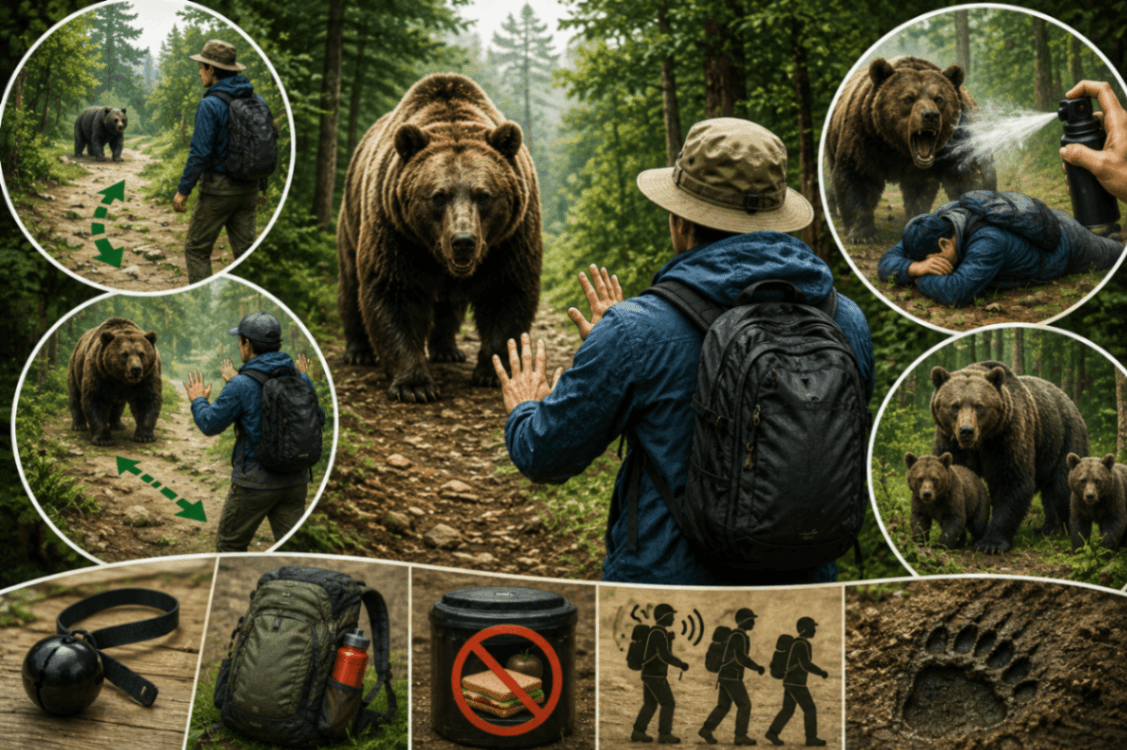
1. If the bear is far away

  • Stay calm.

  • Quietly leave the area.

  • Avoid sudden movements or loud noises.

  • Do not try to scare the bear.

Unexpected noise may startle the animal and trigger unpredictable behavior.

How to Protect Yourself During Bear Encounters

2. If the bear is nearby

  • Slowly back away while keeping the bear in sight.

  • Remain calm.

  • Never run.

Running may trigger the bear’s instinct to chase moving objects.

How to Protect Yourself During Bear Encounters

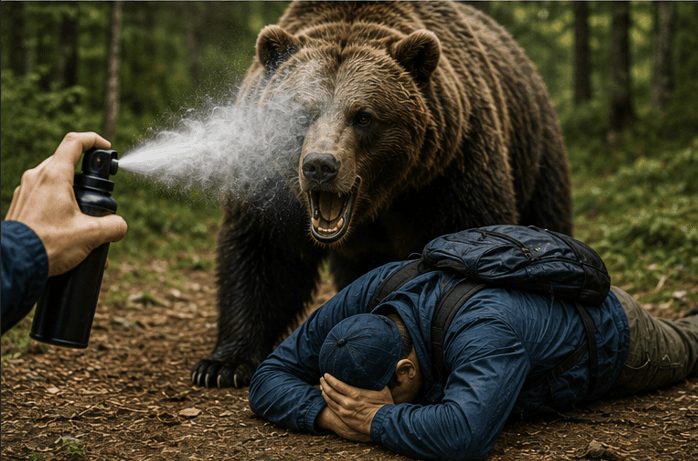
3. If the bear is extremely close

The risk of attack becomes much higher.

Experts recommend:

  • Protect your face and head with your arms.

  • Lie face down.

  • Shield vital organs.

  • Use bear spray immediately if available.

Bear attacks often target the head and neck.

How to Protect Yourself During Bear Encounters

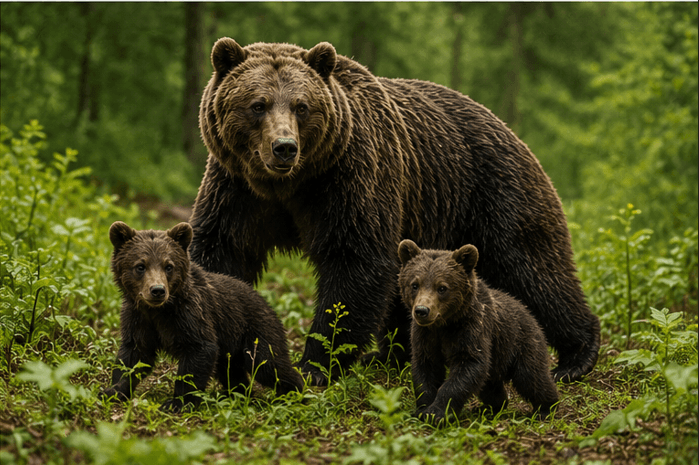
Be especially careful around cubs

Mother bears are highly protective

Even if a cub appears alone, its mother is likely nearby.

In this situation:

  • Leave the area immediately.

  • Never approach or feed cubs.

  • Avoid standing between the mother and cub.

These encounters are among the most dangerous.


How to use bear spray

Bear spray contains capsaicin, the active compound found in chili peppers.

Effects:

  • Irritates the bear’s eyes, nose, and throat.

  • Creates time for escape.

Safety tips:

  • Aim directly at the bear’s face.

  • Keep the spray easily accessible.

  • Check wind direction before spraying.

Limitations:

  • Less effective in dense vegetation.

  • Wind may affect the user as well.


Additional safety tips

Make noise while hiking

Bears usually avoid humans.

When hiking:

  • Talk with companions.

  • Use bear bells.

  • Make periodic noise.

This warns bears before a surprise encounter occurs.


Keep food secured

Food smells attract bears quickly.

Never:

  • Leave food exposed.

  • Abandon garbage outdoors.

  • Store food near your tent.


Avoid hiking alone

Groups are less likely to be attacked.

Whenever possible:

  • Travel with others.

  • Inform someone of your route.

  • Carry emergency supplies.


Times when bears are more active

Bear activity increases during:

  • Dawn

  • Dusk

  • Autumn before hibernation

  • Periods of food shortage


Signs a bear may be nearby

Watch for:

  • Large footprints

  • Fresh droppings

  • Scratched trees

  • Animal remains

If signs appear recent, leave the area immediately.


What you should never do

❌ Never run
❌ Never feed a bear
❌ Never climb small trees
❌ Avoid aggressive eye contact
❌ Do not attempt close-up selfies or videos


How to Protect Yourself During Bear Encounters — Gazeta Japan