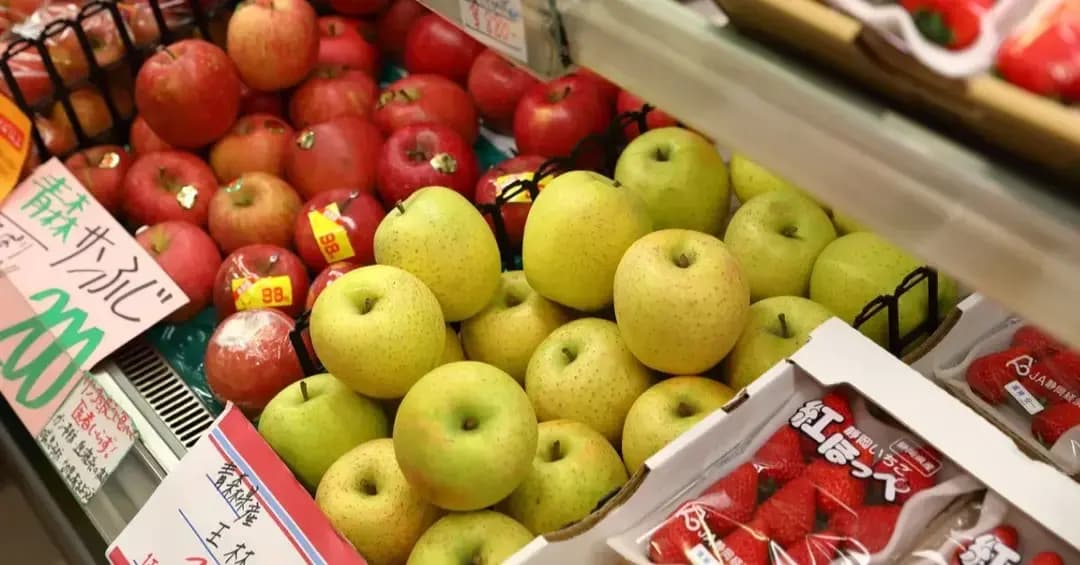
Prime Minister Sanae Takaichi said on Wednesday (20) that she wants to implement a freeze on the consumption tax for food products “as soon as possible”.
The measure comes amid growing concerns over Japan’s fiscal health during the Middle East crisis.
During a parliamentary debate, Takaichi stated that the government will do its best to limit debt issuance in order to support the population. The government also plans to prepare a supplementary budget, amid concerns that the current crisis could cause prolonged economic impact.
Her remarks come as Japanese government bond yields reached their highest level in nearly 30 years, reflecting inflation expectations and fiscal concerns.
Political debates and coordination
The questioning was led by Yuichiro Tamaki, head of the Democratic Party for the People (DPP), the largest opposition party. The debate format, modeled on the British system, had not been held for about three years.
The session focused on Takaichi’s decision to revise plans for a supplementary budget, just one month after Japan enacted a record 122.31 trillion yen budget for fiscal year 2026.
On the tax freeze, the prime minister is awaiting a report from a multi-party council expected this summer.
The proposal faces criticism. The OECD described it as “costly and unfocused,” recommending a gradual tax increase instead.
Takaichi also addressed fuel subsidies aimed at keeping gasoline prices below 170 yen per liter, a policy expected to exhaust its 1 trillion yen fund by the end of June.
Other topics included:
- diplomacy with China, supporting dialogue following President Donald Trump’s visit
- criticism from Junya Ogawa of the Centrist Reform Alliance over government slow response
- AI policy questions raised by Takahiro Anno of the Team Mirai party
The debate also included Toshiko Takeya of Komeito and Sohei Kamiya of Sanseito, concluding a 45-minute session marked by opposition fragmentation.
Source: JT