

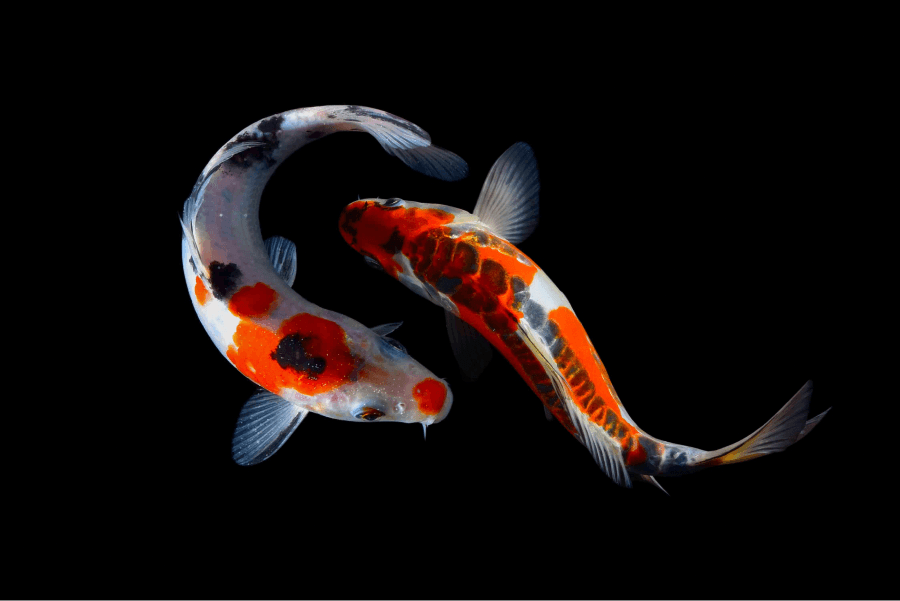
Nishikigoi are often called “living jewels” and “swimming works of art” because of their extraordinary beauty. Today, more and more people around the world are becoming fascinated by these valuable ornamental fish. Let’s explore the world of nishikigoi and discover how they continue to captivate people globally.
What Are Nishikigoi?
“Nishikigoi” refers to ornamental koi carp selectively bred for their beautiful appearance. Unlike ordinary carp raised for food, nishikigoi are appreciated for their colors, patterns, and graceful movements.
Originally bred in Niigata Prefecture, Japan, these fish later spread throughout the country and eventually overseas. There are said to be around 130 to 140 varieties of nishikigoi, featuring combinations of white, red, black, gold, silver, and metallic hues. Their elegant swimming style has earned them the nickname “swimming works of art.”
Because few ornamental fish in the world are as large and visually impressive as nishikigoi, they have gained international popularity in recent decades. Nishikigoi exhibitions held in Niigata and other regions of Japan attract enthusiasts from around the world, and award-winning koi are sometimes sold for remarkably high prices.
A History Spanning More Than 200 Years
The history of nishikigoi began in the early 19th century when mutations appeared among carp raised for food in the mountainous regions of central Niigata Prefecture, now part of Ojiya and Nagaoka cities.
At first, local farmers bred these colorful carp simply for enjoyment. Eventually, however, the fish began to be traded commercially. In 1914, nishikigoi were exhibited at an international exposition in Ueno, Tokyo, where they were introduced as the “strange carp of Echigo.” This event helped make them famous throughout Japan.
Nishikigoi were later displayed at exhibitions in the United States and became highly successful abroad as well. During the 1970s, Japan experienced a major koi boom, and it became common for households to keep beautifully maintained ponds with nishikigoi swimming inside.
The Appeal of Nishikigoi
The greatest attraction of nishikigoi lies in the harmony of their colors and patterns. Fish with balanced, vivid, and clearly defined markings are especially valued.
In the past, international enthusiasts often preferred flashy varieties featuring gold and silver colors. Over time, however, traditional Japanese varieties such as Kohaku, Sanshoku, and Tancho became increasingly appreciated worldwide.
Most koi farms raise nishikigoi in outdoor ponds and natural lakes from spring through autumn. During the cold winter months, the fish are moved into indoor ponds or tanks for protection and preparation for sale. Farmers devote great care to maintaining ideal water quality and temperature in order to raise healthy and beautiful koi.
One of the most important aspects of breeding outstanding nishikigoi is selecting parent fish with excellent characteristics, such as color, shine, body shape, and pattern quality. Breeders rely on years of experience, sharp observation skills, and intuition to make these decisions.
After being raised in natural environments, the koi are displayed at exhibitions throughout Japan, where they delight visitors and attract buyers from around the world. Some international buyers purchase mature koi directly, while others invest in baby fish and ask breeders to raise them on their behalf.
As nishikigoi grow, their colors and patterns can change dramatically, sometimes becoming even more beautiful with age. Because of this, there is always an element of luck in finding a truly exceptional koi. Yet imagining how a young fish may develop and watching it mature beautifully are among the greatest pleasures and unique charms of nishikigoi keeping.