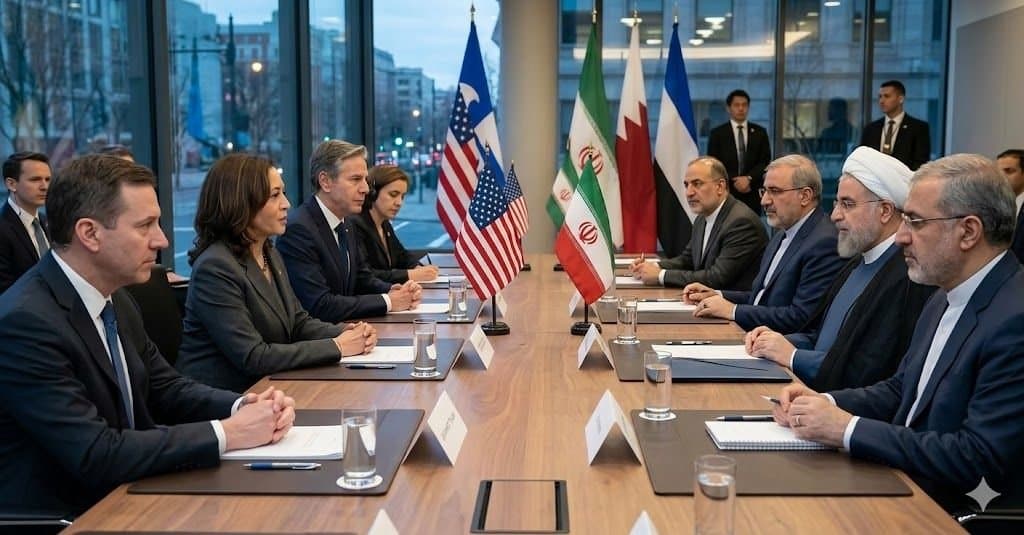

Washington and Tehran are intensifying last-minute consultations to secure a memorandum of understanding for a broad peace pact. On Saturday (23), US President Donald Trump confirmed via social media that he held phone calls with leaders of key regional players involved in the diplomatic push, including Saudi Arabia, the United Arab Emirates, Qatar, Turkey, and Pakistan, which is operating as the primary mediator.
However, media outlets from both sides are reporting conflicting details regarding the framework. The Iranian news agency Tasnim claims the draft includes provisions to halt combat across all fronts, including Lebanon, alongside a temporary freeze on sanctions crippling Iranian crude oil and other key exports while negotiations remain active.
The proposed diplomatic timeline outlines the following schedule:
30-day window: Period dedicated to resolving the US naval blockade and maritime status of the Strait of Hormuz.
60-day window: Concurrent timeframe allocated for high-level talks regarding the atomic issue.
According to The Wall Street Journal, citing US and mediating officials, the White House is on the verge of accepting a framework giving both nations 30 days to seal a final treaty, with an option to extend the deadline for another month if required. Conversely, the news website Axios reported, through an American official, that the initial memorandum would remain valid for a fixed 60-day duration.